Compassionate Wrongful Death Counsel: Fighting For Justice for Your Loved Ones
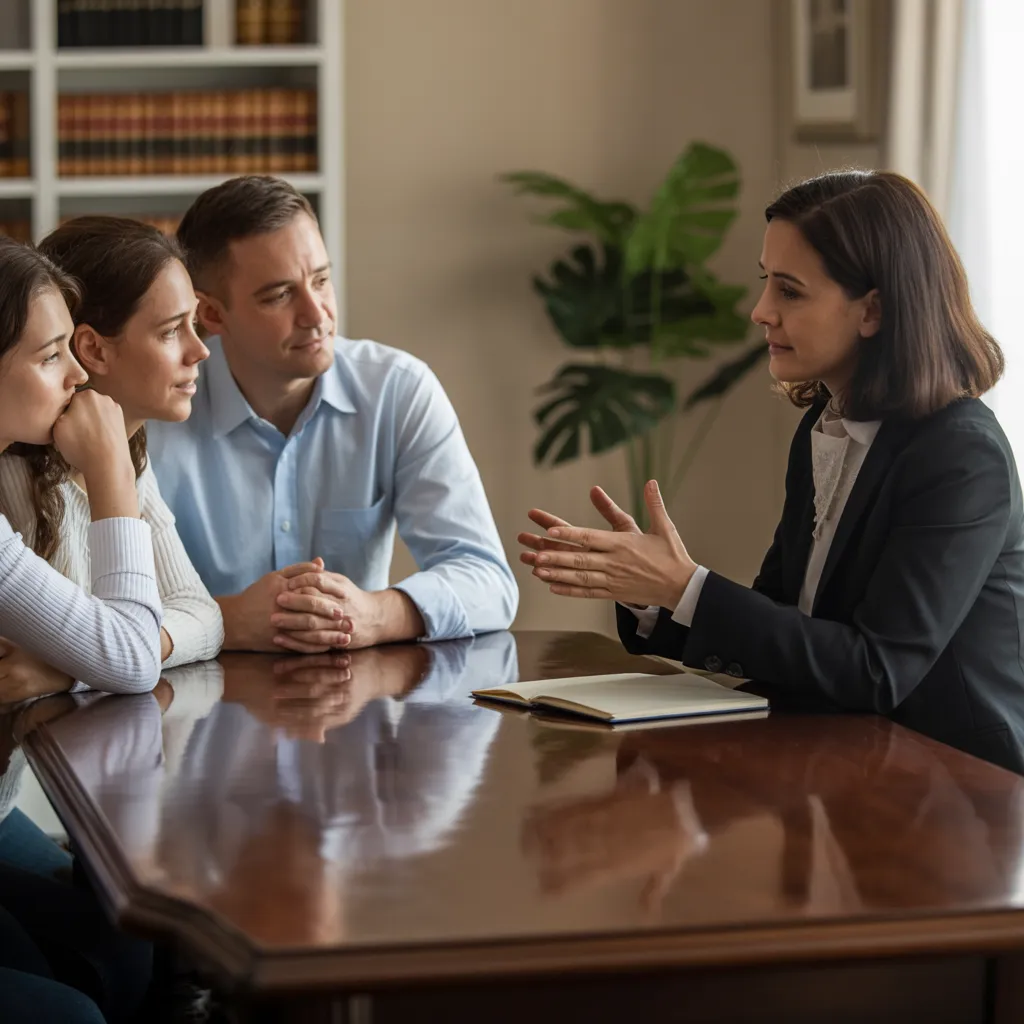
Navigating through the aftermath of a wrongful death can be overwhelming for family members. A compassionate wrongful death lawyer serves as both a legal advocate and a provider of emotional guidance. They understand the complexities involved in such cases and work diligently to guarantee families receive just compensation. However, the journey toward justice is often fraught with challenges. Knowing what lies ahead and selecting the appropriate legal counsel is crucial for securing a meaningful resolution.
Facts You Should to Be Aware Of Regarding Wrongful Death Lawsuits
When a cherished family member passes away on account of another's neglect, it can result in relatives contending with emotional and monetary turmoil. Grasping wrongful death claims is essential for those affected by such tragedies. These claims emerge when a death stems from the negligent or willful conduct of another party. Eligible claimants usually include direct relatives, such as spouses, sons and daughters, and sometimes mothers and fathers or siblings, contingent upon state laws.
To file a claim, the grieving family must prove that the defendant's conduct directly resulted in the death. This often involves collecting evidence, such as medical documentation and witness statements. Additionally, wrongful death claims can obtain damages for various damages, including funeral costs, foregone earnings, and psychological distress. Each state has particular time limits for submitting a claim, known as statutes of limitations, making it essential for families to comprehend their legal rights promptly.
How a Benevolent Unlawful Death Attorney Can Provide Assistance
A compassionate wrongful death attorney takes on a crucial role in supporting families through the intricacies of legal terrain following a tragedy. They extend both compassionate support and legal expertise but also help access financial relief and justice. Their depth of legal knowledge can minimize hardship during a time of sorrow, allowing families to zero in on healing and moving beyond the loss.
Understanding Lawful Pathways
Mastering the challenges of wrongful death claims demands expertise and sensitivity, making a supportive wrongful death attorney an essential ally. These legal professionals help families navigate the intricate procedures involved in filing a claim, ensuring they understand their rights and available options. They examine the circumstances surrounding the death, gather vital evidence, and consult with experts to establish a strong case. A wrongful death attorney also traverses the legal system’s nuances, advocating for reasonable compensation that reflects the loss experienced. By offering customized legal strategies, they guide clients toward informed decisions, allowing families to focus on healing while ensuring their pursuit of justice is effectively handled. This support is indispensable during a time of intense grief and uncertainty.
Emotional Assistance Programs
Dealing with the aftermath of a wrongful death can be overwhelming, with emotional support becoming a vital component of healing. A compassionate wrongful death attorney recognizes the unique emotional struggles facing grieving families. They often provide access to emotional support services, including counseling referrals, support groups, and resources tailored to help clients handle their loss. By giving equal importance to emotional well-being alongside legal matters, these attorneys establish a comprehensive healing approach. They understand that grief management requires patience and empathy, and they aim to foster a supportive environment. This dedication to emotional support enables families, allowing them to focus on their healing journey while seeking justice for their loved ones.
Mastering Financial Compensation pathways to enhance your financial rewards
While maneuvering the complexities of financial compensation after a wrongful death, families often find themselves burdened by legal intricacies and emotional distress. A caring wrongful death attorney plays an essential role in guiding families through this challenging process. They can assess the unique circumstances of the case, helping to identify potential sources of compensation, such as medical expenses, lost income, and emotional suffering. These attorneys possess the expertise to handle discussions with insurance companies and represent families in court if necessary. By providing clear explanations and unwavering support, they empower families to make informed decisions. Ultimately, a compassionate attorney not only seeks justice but also strives key resource to alleviate the financial burdens that accompany such tragic losses.
Kinds of Fatal Negligence Cases We Address
Wrongful death cases include a wide array of situations, each demanding thoughtful analysis and professional knowledge. These cases can arise from various events, such as automobile collisions, medical negligence, workplace injuries, and product liability. In automobile collisions, negligence or reckless operation can lead to fatal consequences, while medical negligence may include mistakes in assessment or care that result in a patient's death.
Workplace incidents often include unsafe conditions or insufficient training, and product responsibility cases may arise from defective or dangerous products leading to fatalities. Additionally, wrongful death can occur in cases of criminal acts, such as homicide or assault. Each type of case requires a thorough investigation to establish liability and the extent of injury compensation suffered by the surviving family members. Understanding the specific circumstances of each fatal loss case is essential for pursuing justice and securing appropriate compensation for grieving families.
What to Consider When Selecting an Lawyer for Your Matter?
Selecting the right legal professional for a wrongful death case requires thoughtful evaluation of multiple important elements. Individuals should prioritize an lawyer's experience in wrongful death law, as well as their compassionate communication style to ensure a supportive environment. Additionally, a established history of positive results can offer assurance in the attorney's capacity to handle the case effectively.

Specialization in Wrongful Death
Tackling the complications of a wrongful death case requires careful analysis when engaging an attorney. Experience is a essential aspect; a veteran legal representative will have navigated related cases and understand the intricacies of fatal injury legislation. They should exhibit a track record of successful outcomes, proving their ability to represent skillfully for their clients. In addition, familiarity of pertinent state laws and rules is vital, as these can greatly influence the matter. Prospective clients should inquire regarding the lawyer's previous matters, agreements obtained, and overall strategy. Reviewing an attorney's qualifications not only builds confidence but also guarantees that the representation aligns with the particular needs of the matter, ultimately facilitating a more positive outcome.
Compassionate Dialogue Approach
Choosing an lawyer that shows a compassionate communication style can significantly impact the experience of a wrongful death case. Effective communication is important during this sensitive time, as it creates trust and reassurance. A compassionate attorney listens carefully, acknowledging the emotional turmoil clients endure, and delivers information in a straightforward, empathetic way. This approach not only assists clients feel understood but also empowers them to make informed decisions about their case. When reviewing prospective attorneys, one should examine their availability and openness to engage in open dialogue. An attorney who emphasizes compassionate communication will be better prepared to navigate the complexities of the legal process while offering the support clients need during such a trying period.
Established History
As you navigate the complexities of a wrongful death case, you should prioritize locating an lawyer with a proven track record in similar cases. An attorney's track record in past wrongful death claims frequently reflects their ability to navigate court obstacles successfully. Prospective clients should look for reviews and case results that showcase the attorney's knowledge and background. Additionally, it's important to assess their familiarity with applicable statutes and rules, as this expertise can significantly affect the outcome of the case. Participating in consultations with several lawyers can provide understanding into their strategy and dedication. Ultimately, selecting a lawyer with proven success not only instills confidence but also improves the probability of achieving justice for the death of a family member.
What You Should Know About the Judicial Process?
The litigation process following a wrongful death claim can be intricate and emotionally demanding. Initially, families must gather substantiation to establish liability, which often includes medical records, crash reports, and witness statements. This phase can be stressful, as it calls for meticulous attention to detail.
After the information is compiled, the lawyer usually files a formal complaint in court, explaining the facts of the death and the damages sought. The defendant then has a chance to respond, possibly leading to negotiations for a settlement.
If an agreement cannot be reached, the case may proceed to trial, where both parties present their arguments before a judge or jury. Throughout this course, attorneys maintain an essential role in guiding families, guaranteeing they understand each step and its implications. Overall, the journey demands patience and resilience as families demand justice for their loved ones.
Support Tools for Loved Ones After a Wrongful Death
Life after a wrongful death can be profoundly challenging, and families often find themselves in need of coping tools to cope with their loss. Various organizations and hotlines extend mental health support, facilitating connections with grief counselors and community groups. Local community services often offer grief management programs designed to help community members process their grief in safe environments.
Additionally, expert legal assistance, such as wrongful death attorneys, can direct families through the complexities of litigation, alleviating some of the stress associated with pursuing justice. Also, web-based support networks and digital communities can connect individuals facing similar experiences, building a sense of connection.
In the end, obtaining these resources can play a crucial role in the healing process, enabling families to handle their sorrow while pursuing justice for their family members. Leveraging these supports can assist them restore a sense of stability during a challenging time.
Often Posed Questions
What Establishes the Statute of Limitations for Initiating a Wrongful Death Claim?
The statute of limitations for submitting a wrongful death claim typically spans one to three years, based on the jurisdiction. Prompt measures are vital to protect the ability to obtain damages for the loss.
Can I submit a Wrongful Death Claim if the Deceased Had No will?
Yes, a fatal injury suit can be filed even if the deceased had no will. In such cases, state legal provisions determine the eligible beneficiaries who can initiate the claim on behalf of the decedent's estate.
In What Manner Are Damages Figured for Untimely Death Proceedings?
Damages in wrongful death cases are usually evaluated based on economic losses, such as reduced earnings and medical expenses, as well as non-economic factors, including emotional suffering and loss of companionship for surviving family members.
What Proof Is Needed to Support a Wrongful Death Lawsuit?
Evidence needed to substantiate a wrongful death claim generally comprises medical records, eyewitness statements, expert testimonies, accident reports, financial documents, and any relevant correspondence. This evidence together demonstrates liability and the impact of the loss.
Are Fatal Injury Claims Submitted Against Individuals or Businesses?
Wrongful death suits can be brought against both individuals and businesses, depending on the facts surrounding the death. Liability may stem from negligence, intentional actions, or faulty products, necessitating litigation for financial recovery.